
Adult survivors of incest
The effects can last a lifetime — and they can be healed
Adults who have experienced childhood sexual abuse often face lasting emotional, psychological, and physical effects. While the impact varies depending on the individual and the support they received, these are some of the common long-term effects and challenges they may encounter.
A gentle note: this page describes the effects of abuse and may be difficult to read. Take it at your own pace, and step away whenever you need to. If you are in crisis, call or text 988 at any hour.
What survivors often carry
Psychological and emotional
- Post-Traumatic Stress Disorder (PTSD): Flashbacks, nightmares, or intrusive memories. Avoidance of triggers.
- Depression and anxiety: Persistent sadness, hopelessness, or intense fear.
- Low self-esteem: Feelings of shame or guilt related to the abuse.
- Difficulty trusting others: Fear of betrayal or abandonment.
- Anger and emotional regulation issues: Difficulty managing anger or suppressing emotions.
Behavioral and social
- Substance abuse: Alcohol or drug use as a coping mechanism.
- Risky behaviors: Engaging in unsafe sexual activity or self-harm.
- Interpersonal challenges: Difficulty forming healthy relationships due to trust issues.
- Hypervigilance or isolation: Avoidance of social situations due to a heightened sense of danger.
Physical
- Chronic health issues: Increased risk of heart disease, obesity, and gastrointestinal problems.
- Somatic symptoms: Unexplained pain, headaches, or fatigue.
- Sleep disturbances: Insomnia, nightmares, or restless sleep.
Impact on relationships
- Challenges with intimacy: Fear of physical or emotional closeness.
- Parenting difficulties: Overprotectiveness or anxiety about trusting others with their children.
Healing and support
None of this is where the story ends
- Therapy: trauma-focused therapy such as EMDR and Cognitive Behavioral Therapy.
- Group therapy: support among peers in a safe and understanding environment.
Support the work
Your donation gives someone a voice
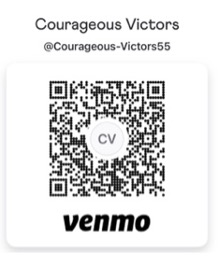
Every gift — of any size — helps launch support groups, provide trauma-informed counselling, and reach survivors who still believe they are alone.

PayPal
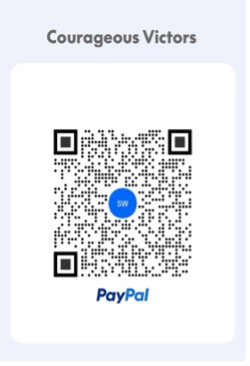
Scan the code with your phone camera to give with PayPal.
Prefer to give another way, or want to talk first? Email Sheree.D.Weller@gmail.com or call 972-729-9992.